


Matilda of Laxton and Nicholaa of Lincoln: The Medieval Women Who Shaped King John's Reign
Behind the familiar story of King John, Magna Carta and the struggle for England were two remarkable women whose inherited appointments, castles and determination placed them at the centre of a national crisis.
King John is remembered as one of England's most controversial kings, his reign dominated by rebellion, Magna Carta, military failure and the threat of French intervention.
Yet two remarkable women also played a significant role in shaping the events around him: Matilda of Laxton and Nicholaa of Lincoln, better known historically as Nicholaa de la Haye.
Their story is not simply one of women surviving in a man's world. It is a story of inherited authority, royal appointments, castles, forests, loyalty and political survival at one of the most dangerous moments in medieval English history.
Royal Forests Were About Power, Not Just Trees
To understand Matilda and Nicholaa, it is necessary to understand what a medieval royal forest actually meant.
A forest was not necessarily an expanse of woodland. It could be a tract of land designated by royal decree and governed under particular laws and royal interests.
The Keepers of the King's Forest were therefore more than people concerned with hunting. Their responsibilities connected them to royal authority, land, law and the protection of the Crown's interests.
During the period surrounding Magna Carta, the forests of Sherwood and Lincolnshire were connected to two women who had inherited important appointments from their families.
Laxton and Lincoln stood on opposite sides of an important corridor through medieval England.
Their importance was not simply symbolic. Their castles, appointments and local knowledge gave them a role in protecting and observing territory at a time when the future of the English Crown was uncertain.
A Woman Who Inherited Real Authority

Matilda of Laxton inherited important appointments from her father. She was Keeper of the King's Forest for Sherwood and Derbyshire and also Constable of Laxton Castle.
Her position was significant because it connected her directly to the administration of royal forest land and to the defence of an important castle.
Her authority was not simply temporary or informal. She was confirmed in her appointments by three kings: Richard I, King John and Henry III.
That continuity is important. It shows that her position survived changes of monarch and the political turmoil that surrounded the English Crown.

The Castle That Still Tells Part of the Story
Laxton Castle was more than a residence. Its position helped explain why Matilda's appointment mattered and why Laxton formed an important part of the landscape between Nottinghamshire and Lincolnshire.
In between the two castles lie between the main arterial routes of the time, The Great North Road, and the River Trent. These castles controlled both routes and were of major importance to protect and observe the traffic in England moving northwards and Southwards.
The Woman Behind the Name Nicholaa of Lincoln
Nicholaa de la Haye inherited an equally formidable collection of appointments. She was Keeper of the King's Forests in Lincolnshire, Constable of Lincoln Castle and, at one point, Sheriff of Lincoln.
Her authority placed her at the centre of local government, royal administration and military defence.
When England entered a period of crisis following King John's repudiation of Magna Carta and the subsequent French-backed rebellion, Lincoln Castle became one of the most important strongholds in the country.
Nicholaa was there to defend it.
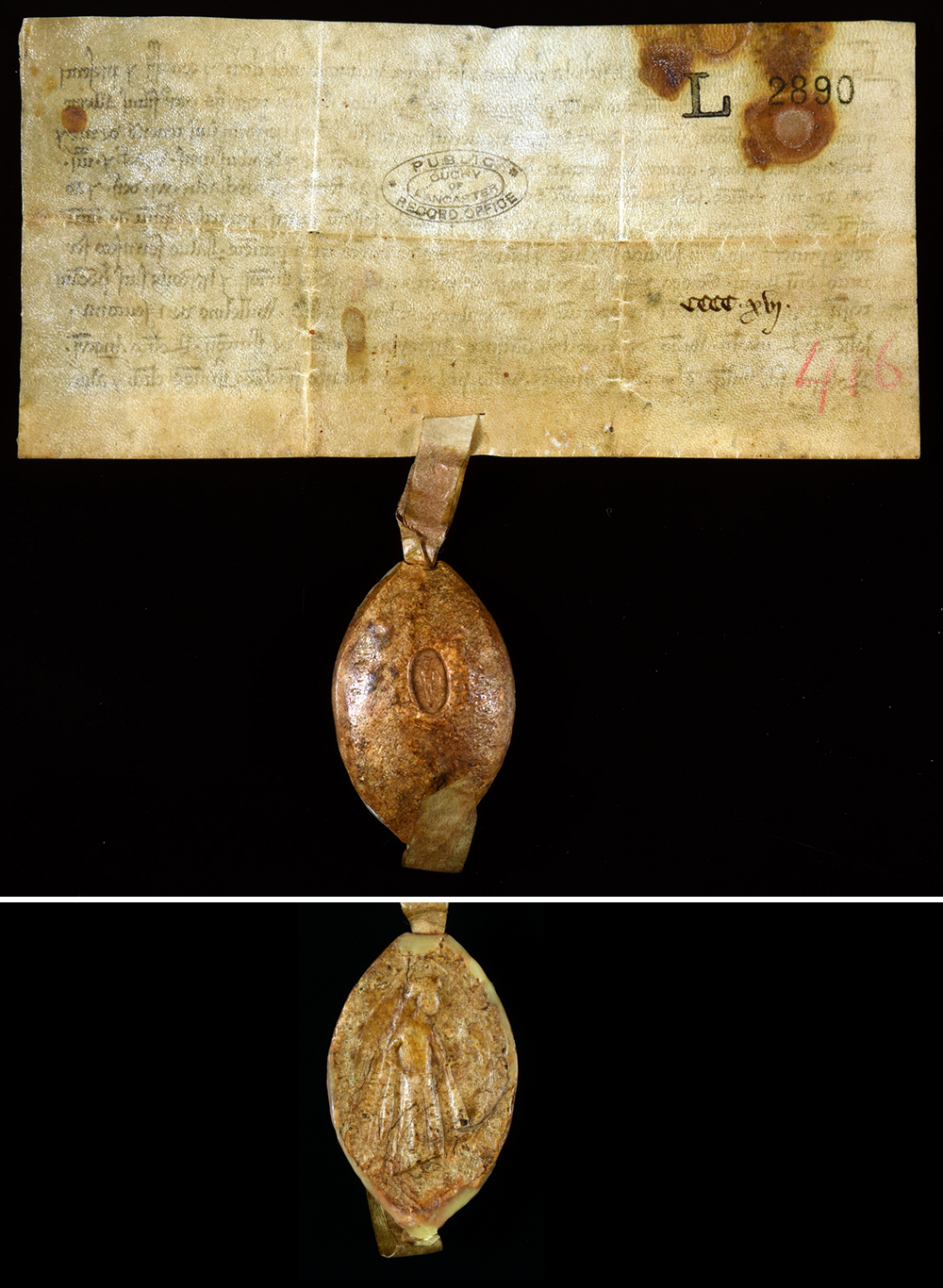
Laxton, Sherwood and the Western Approach
Matilda's position at Laxton connected her to the management of the King's Forest for Sherwood and Derbyshire and to the defence of Laxton Castle.
Her inherited appointments placed her in a position to observe developments across an important part of the Midlands.
Lincoln Castle and the Eastern Approach
Nicholaa's position at Lincoln was even more visibly tested when the castle came under siege during the First Barons' War.
Her defence of Lincoln became one of the defining episodes in the struggle for the future of the English Crown.
Nicholaa, King John and Lincoln Castle
By 1216 the political situation had become extremely dangerous. King John was losing control of large parts of England and the French Prince Louis had entered the conflict.
Nicholaa's position at Lincoln Castle brought her into direct contact with the king's concerns about the defence of the fortress.
Her age and the burden of the appointment were not insignificant. Yet the response was not to remove her from the castle. Instead, she continued to hold her position.
Authority in medieval England was often inherited, but keeping that authority required judgement, loyalty and the ability to act.
The Defence of Lincoln Castle in 1217

In 1217 Lincoln Castle was under siege by forces supporting the French Prince Louis.
Nicholaa held the castle. Despite the pressure of the siege, the defenders resisted until the arrival of the royalist forces associated with William Marshal.
The resulting Battle of Lincoln was a decisive moment in the struggle. The French-backed forces were defeated and the cause of the young Henry III was strengthened.
Nicholaa's role in holding Lincoln Castle was therefore much more than a local episode. It formed part of the defence of the English Crown itself.
Matilda and Nicholaa Were Part of the Same Story
It is tempting to treat Matilda of Laxton and Nicholaa de la Haye as two separate historical characters. In reality, their positions were connected by geography, inherited authority and the political crisis that engulfed England.
Laxton and Lincoln stood within a landscape through which people, armies, goods and information moved. Their castles were not isolated buildings. They formed part of the infrastructure through which medieval power was exercised.
During the crisis surrounding Magna Carta and the First Barons' War, both women occupied positions that placed them close to the defence of royal authority.

Where Do They Fit Into the Magna Carta Story?
Magna Carta is often presented as a story about King John and his rebellious barons. But the consequences of the charter and John's rejection of it spread far beyond the famous meeting at Runnymede.
The resulting conflict became a struggle over who controlled England, and ultimately whether the French-backed Prince Louis could replace the young Henry III.
That is where the stories of Matilda and Nicholaa become particularly important. Their appointments, castles and local influence placed them within the machinery of the kingdom at the very moment that machinery was under enormous pressure.
Matilda and Nicholaa: A Timeline
Inherited authority is confirmed
Matilda and Nicholaa's family appointments become part of the continuing royal structure of England.
Political crisis grows
John's troubled reign, the dispute over Magna Carta and rebellion place increasing pressure on the kingdom.
England approaches a breaking point
Prince Louis enters the conflict and Lincoln becomes increasingly important to the defence of the English Crown.
Lincoln Castle holds
Nicholaa leads the defence of Lincoln Castle while the royalist forces move to relieve the siege.
The English Crown survives
The defeat of the French-backed forces strengthens the position of the young Henry III.
What Their Story Tells Us About Medieval Women
Women could inherit authority
Matilda and Nicholaa inherited important appointments through their families.
Appointments could carry real power
Their roles connected them to forests, castles, administration and royal interests.
Castles were political assets
Control of a stronghold could determine whether territory remained loyal to the Crown.
Age did not end their usefulness
Nicholaa's role in the defence of Lincoln demonstrates how experience could remain valuable during crisis.
History often remembers the wrong people
The stories of women exercising authority can disappear behind better-known male figures and later fictional portrayals.
Why Have Matilda and Nicholaa Been Forgotten?
Medieval history has often been told through kings, battles and famous noblemen. Women appear in those narratives, but their administrative, political and military roles can be reduced to footnotes.
Matilda's story is especially interesting because a later fictional character helped overshadow the historical woman associated with Laxton and Sherwood.
Nicholaa's story presents an equally striking contrast. She was a woman who personally became responsible for one of England's most important castles during a national crisis.
Their stories remind us that the medieval world was more complicated than the simple idea that women had no meaningful power.
Matilda of Laxton and Nicholaa de la Haye: FAQ
Who was Matilda of Laxton?
Matilda of Laxton was the hereditary Keeper of the King's Forest for Sherwood and Derbyshire and Constable of Laxton Castle.
Who was Nicholaa de la Haye?
Nicholaa de la Haye was a powerful medieval noblewoman who held important appointments including Keeper of the King's Forests in Lincolnshire and Constable of Lincoln Castle.
What did a Keeper of the King's Forest do?
The Keeper was connected to the administration and protection of land designated as royal forest and to the interests of the Crown.
Did women hold positions of power in medieval England?
Yes. Matilda and Nicholaa demonstrate that women could inherit, retain and exercise significant appointments and responsibilities.
What role did Nicholaa play at Lincoln Castle?
Nicholaa was Constable of Lincoln Castle and played a crucial role in its defence during the First Barons' War, particularly in 1217.
How was Matilda connected to Sherwood Forest?
Matilda inherited the appointment of Keeper of the King's Forest for Sherwood and Derbyshire and was also Constable of Laxton Castle.
What happened at Lincoln Castle in 1217?
Lincoln Castle was besieged by forces supporting Prince Louis. Nicholaa and the defenders held the castle until the royalist forces arrived and defeated the besieging army.
How were Matilda and Nicholaa connected to Magna Carta?
Their story belongs to the wider political and military crisis created by King John's reign, Magna Carta, rebellion and the French-backed attempt to take the English Crown.

Discover the Rest of Their Story
The story of Matilda of Laxton and Nicholaa of Lincoln is explored further in Austin Hernon's historical fiction series, Wars of the Magna Carta.
In The Battle for England, these two women stand at the heart of a kingdom threatened by rebellion, invasion and political collapse.
Explore The Battle for EnglandThe women behind the history deserve to be remembered.
Matilda of Laxton and Nicholaa de la Haye were not merely witnesses to the events of King John's troubled reign. Their appointments, castles and decisions placed them within the machinery of medieval power at a moment when England's future was uncertain.